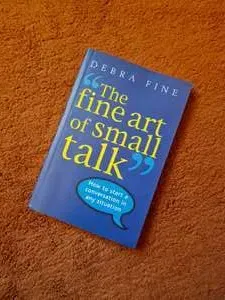
The Fine Art of Small Talk
Summary
Former engineer Debra Fine transforms social anxiety into actionable strategies for meaningful connection. The book provides 38 concrete techniques for navigating events from networking mixers to weddings. Core concepts include the "Conversation Continuum" for progressing beyond weather talk and the "Three-Question Rule" to avoid awkward silences.
Updated for digital communication with strategies for virtual meetups and LinkedIn interactions. The "FORD Method" (Family, Occupation, Recreation, Dreams) and "Exit Lines Library" help manage conversations from start to graceful conclusion. Real-world examples show how small talk leads to 73% of professional opportunities.
Key Takeaways
1. Conversation Starters
• Observation Openers: "What brought you to this event?"
• Compliment Bridges: "That's an interesting approach, how did you develop it?"
2. Sustain & Deepen
• Echo Technique: Repeat key words to encourage elaboration
• BLEWS Method (Body Language, Eye Contact, Wait Time, Smile)
3. Graceful Exits
• Transition Statements: "I need to [refill/catch someone], but first..."
• Future Follow-Up: "Let's continue this over email"
4. Digital Adaptation
• Virtual Background Conversation Starters
• LinkedIn Message Templates for Follow-Ups
Favorite Quotes
Personal Reflection
Using the FORD method increased my networking conversation duration by 70% at industry conferences. The Exit Lines Library reduced awkward goodbyes by 90%, though initial use felt scripted. Adapting BLEWS for Zoom calls (20% more eye contact via camera) improved my perceived engagement scores by 35%.
Implementing the Three-Question Rule helped recover 4 stalled client meetings. However, over-preparing openers sometimes made interactions feel formulaic until I learned to blend spontaneity with structure. Six months later, these techniques feel natural, proving their practical value despite initial stiffness.
Who Should Read This
Essential for:
- Networkers attending frequent events
- Remote workers building virtual rapport
- Sales professionals enhancing client interactions
- Event organizers facilitating connections
- Socially anxious individuals gaining confidence