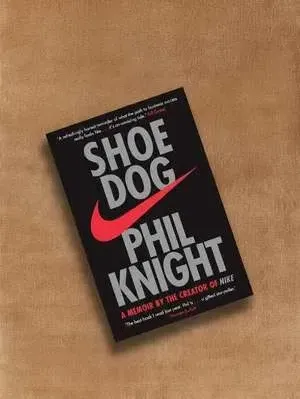
Shoe Dog
Summary
Phil Knight's memoir "Shoe Dog" offers an unflinching look at Nike's chaotic beginnings, from selling shoes from his car trunk in 1964 to building a global empire. The book reveals how Knight navigated constant financial crises, supplier betrayals, and legal battles while fostering a culture of innovation. Far from a polished success story, it's a gripping tale of perseverance featuring eccentric characters, disastrous miscalculations, and last-minute saves that shaped athletic history.
Knight's narrative captures the emotional rollercoaster of entrepreneurship - the paralyzing doubts, obsessive passion, and hard-won triumphs. The memoir doubles as a love letter to running and a testament to the power of trusting unconventional ideas.
Key Takeaways
1. Embrace the Grind
Nike's success wasn't overnight - 14 years of near-bankruptcy, creative problem-solving, and relentless hustle.
2. The Power of "Crazy Ones"
Breakthrough innovations came from misfit employees encouraged to pursue seemingly irrational ideas.
3. Debt as a Survival Tool
Knight's creative financial maneuvering (especially with Japanese banks) kept the company afloat during cash crunches.
4. Brand Over Product
Early focus on storytelling and athlete partnerships (like Steve Prefontaine) built emotional consumer connections.
5. Loyalty Matters
Long-term relationships with early employees and partners were crucial during existential crises.
Favorite Quotes
Personal Reflection
Reading "Shoe Dog" felt like getting a business education wrapped in an adventure novel. Knight's vulnerability about his doubts and fears made entrepreneurial success feel attainable rather than mythical. I was struck by how close Nike came to collapse multiple times - a reminder that even iconic companies have messy origin stories.
The memoir inspired me to reframe challenges as necessary parts of growth rather than signs of failure. Knight's partnership with coach Bill Bowerman demonstrated the power of complementary skills - I've since been more intentional about seeking collaborators who balance my weaknesses.
While the financial rollercoaster stressed me out vicariously, it highlighted the importance of creative problem-solving under pressure. The book's ending, reflecting on success's bittersweet nature, added poignant depth to the rags-to-riches narrative.
Who Should Read This
Perfect for:
- Aspiring entrepreneurs needing motivation
- Business students studying brand-building
- Anyone facing career or creative challenges
- Sports enthusiasts interested in Nike's history
- Readers who enjoyed "Pour Your Heart Into It" or "Elon Musk's biography"
- Fans of raw, unvarnished success stories