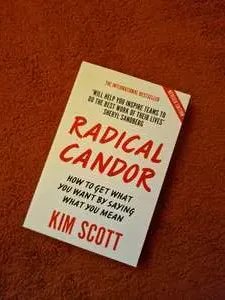
Radical Candor
Summary
Kim Scott's groundbreaking work introduces a communication framework that transforms workplace relationships through the dual principles of "Care Personally" and "Challenge Directly." Using real-world examples from her tech industry experience, Scott demonstrates how radical candor fosters trust, improves performance, and creates psychologically safe environments. The book provides actionable guidance for giving and receiving feedback, addressing underperformance, and building cohesive teams.
Unlike traditional management approaches, radical candor emphasizes the importance of personal relationships in professional settings while maintaining high standards. Scott's quadrant model helps readers navigate the fine line between empathetic leadership and results-driven management.
Key Takeaways
1. The Radical Candor Framework
Balance "Care Personally" (y-axis) with "Challenge Directly" (x-axis) for optimal communication.
2. The Criticism Sandwich Myth
Avoid diluting feedback with excessive praise - be clear, specific, and kind.
3. Get Stuff Done (GSD) Wheel
A continuous cycle for effective leadership: Listen, Clarify, Debate, Decide, Persuade, Execute.
4. Solicit Feedback First
Create safety for tough conversations by requesting criticism before giving it.
5. Guidance vs. Criticism
Distinguish between actionable feedback ("Your presentation needed more data") and vague criticism ("You did a bad job").
Favorite Quotes
Personal Reflection
Implementing Radical Candor revolutionized my leadership approach. The framework helped me address long-standing performance issues I'd avoided due to fear of damaging relationships. Learning to separate "challenging directly" from being confrontational was particularly transformative.
Using Scott's 1:1 meeting structure increased team engagement dramatically. However, practicing radical candor required overcoming my own discomfort with direct communication - I initially leaned too far into "Ruinous Empathy." The GSD Wheel became an invaluable tool for maintaining accountability while preserving trust.
Six months later, my team reports higher job satisfaction and clearer expectations. The most surprising outcome? Being on the receiving end of radical candor from reports has accelerated my own professional growth.
Who Should Read This
This book is essential for:
- New and experienced managers
- Team leaders in fast-paced industries
- Anyone struggling with difficult conversations
- Organizations building feedback cultures
- Employees wanting to influence upward
- Remote work managers maintaining team cohesion