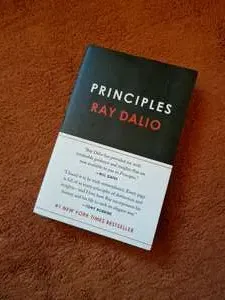
Principles: Life and Work
Principles with Ray Dalio
Summary
"Principles: Life and Work" by Ray Dalio is a comprehensive guide to decision-making and personal growth based on the author's experience as the founder of Bridgewater Associates, one of the world's largest hedge funds. The book is divided into three main sections: Dalio's personal journey, his life principles, and his work principles.
At its core, the book advocates for radical transparency and an "idea meritocracy" where the best ideas win regardless of hierarchy. Dalio presents a systematic approach to both personal and organizational decision-making, emphasizing the importance of understanding reality, recognizing and learning from mistakes, and creating systems that leverage collective intelligence. Throughout the book, he shares hundreds of specific principles that have guided his life and business success.
Key Takeaways
1. Radical Truth and Transparency
Creating environments where honest feedback is not just accepted but expected leads to better decisions and faster learning.
2. Believability-Weighted Decision Making
Not all opinions are equal. Decisions should weigh input based on the track record and expertise of those providing it.
3. Pain + Reflection = Progress
Mistakes and failures are essential learning opportunities when paired with honest reflection.
4. The Two-Minute Rule
If you have a disagreement with someone's thinking, take up to two minutes to explain why. Either you'll learn something or they will.
5. Baseball Cards for People
Systematically track people's strengths, weaknesses, and performance to make better decisions about roles and responsibilities.
Favorite Quotes
Personal Reflection
Reading "Principles" was transformative for how I approach decision-making and team management. Dalio's emphasis on creating systems rather than just setting goals resonated deeply with me. I've since implemented several of his principles in my professional life, particularly around feedback and transparent communication.
The concept of "believability-weighted decision making" has been especially valuable. Rather than treating all opinions equally or defaulting to hierarchy, I now consciously consider the expertise and track record of those providing input. This has led to better decisions and reduced the influence of office politics.
I've also embraced Dalio's approach to mistakes as learning opportunities. By documenting errors and systematically reflecting on them, I've accelerated my professional growth and created a more psychologically safe environment for my team members to acknowledge and learn from their own mistakes.
Who Should Read This
I would recommend "Principles" to:
- Leaders and managers looking to build more effective organizations
- Individuals seeking a systematic approach to personal development
- Teams struggling with communication and decision-making
- Anyone interested in creating a culture of radical transparency
- Professionals who want to accelerate their learning and growth
- Entrepreneurs building organizations from the ground up