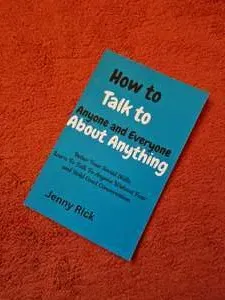
How to Talk to Anyone and Everyone About Anything
Summary
Jenny Rick's practical guide provides actionable strategies for overcoming social anxiety and mastering the art of conversation. The book breaks down communication fundamentals into accessible techniques anyone can apply, whether networking professionally, making new friends, or navigating awkward social situations.
Through real-world examples and psychological insights, Rick demonstrates how to initiate conversations effortlessly, maintain engaging dialogue, and leave lasting positive impressions. The emphasis on adaptability makes it valuable for both introverts looking to build confidence and extroverts seeking to deepen connections.
Key Takeaways
1. The 5-Second Connection Rule
Approach new conversations within five seconds of opportunity to prevent overthinking.
2. Active Listening > Perfect Responses
Focus on understanding rather than impressing - people remember how you made them feel.
3. Conversation Weather Reporting
Use observational comments about surroundings as natural icebreakers.
4. The Interest Inventory Technique
Maintain mental lists of others' passions to fuel future conversations.
5. Graceful Exit Strategies
Master polite conversation conclusions that leave doors open for future interaction.
Favorite Quotes
Personal Reflection
This book transformed my approach to social interactions. As someone who used to dread networking events, I now use Rick's "5-Second Rule" to initiate conversations before anxiety kicks in. The active listening techniques helped me become more present in discussions rather than mentally rehearsing responses.
I particularly benefited from the chapter on digital communication, which provides smart strategies for maintaining connections through messaging and video calls. Implementing the "Interest Inventory" technique has made follow-up conversations feel more natural and meaningful.
While some advice felt basic initially, consistent practice revealed its effectiveness. The book's strength lies in its structured approach - each chapter builds skills progressively, making social mastery feel achievable.
Who Should Read This
This book is essential for:
- Professionals wanting to improve networking skills
- Individuals with social anxiety
- Remote workers maintaining virtual connections
- New graduates entering the workforce
- Anyone feeling awkward in social settings
- People looking to expand their social circle