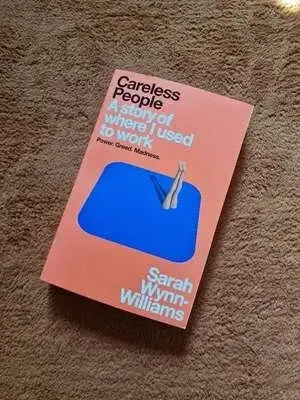
Careless People
Summary
Sarah Wynn-Williams' "Careless People" is a blistering insider account of her time at Meta, offering an unprecedented look at the toxic culture and ethical compromises within one of the world's most influential tech giants. The memoir reads like a corporate thriller, revealing how growth-at-all-costs mentality systematically eroded user privacy, manipulated public discourse, and prioritized profits over people.
Through vivid anecdotes and documented internal communications, Wynn-Williams chronicles the company's transformation from idealistic startup to what she describes as "a data-hungry monopoly willing to sell democracy itself to the highest bidder." The book particularly focuses on the psychological toll on employees complicit in building systems they knew were harming society.
Key Takeaways
1. The Myth of Neutral Platforms
Reveals how algorithmic systems were deliberately designed to maximize engagement through outrage and polarization.
2. Culture of Ethical Evasion
Documents systematic suppression of internal concerns through NDAs, promoted narratives of "moving fast," and carrot/stick employee incentives.
3. Data Colonialism
Exposes how user data became a new form of capital, harvested and weaponized with minimal consent or transparency.
4. The Human Cost
Heartbreaking accounts of content moderators developing PTSD and engineers rationalizing their moral compromises.
5. Regulatory Capture Playbook
Details sophisticated strategies used to neuter legislation and co-opt policymakers through lobbying and "partnership" programs.
Favorite Quotes
Personal Reflection
Reading "Careless People" felt like watching a slow-motion train wreck through the conductor's eyes. Wynn-Williams' unflinching honesty forced me to confront my own complicity as a tech consumer. The most chilling revelations weren't about shady backroom deals, but the mundane everyday decisions that collectively enabled systemic harm.
As someone who's worked in tech, I recognized the rationalizations she describes - the "greater good" arguments used to justify ethical shortcuts. The book's greatest strength is showing how good people become collaborators in destructive systems through gradual moral compromise.
While deeply unsettling, the memoir ultimately feels hopeful - a crucial step toward accountability. It's changed how I view "free" digital services and made me more proactive about digital privacy and supporting ethical alternatives.
Who Should Read This
Essential reading for:
- Anyone concerned about tech's societal impact
- Policymakers and regulators dealing with big tech
- Tech employees grappling with ethical dilemmas
- Journalists covering digital rights and corporate power
- Readers of investigative journalism and exposés
- Students studying business ethics or technology policy